
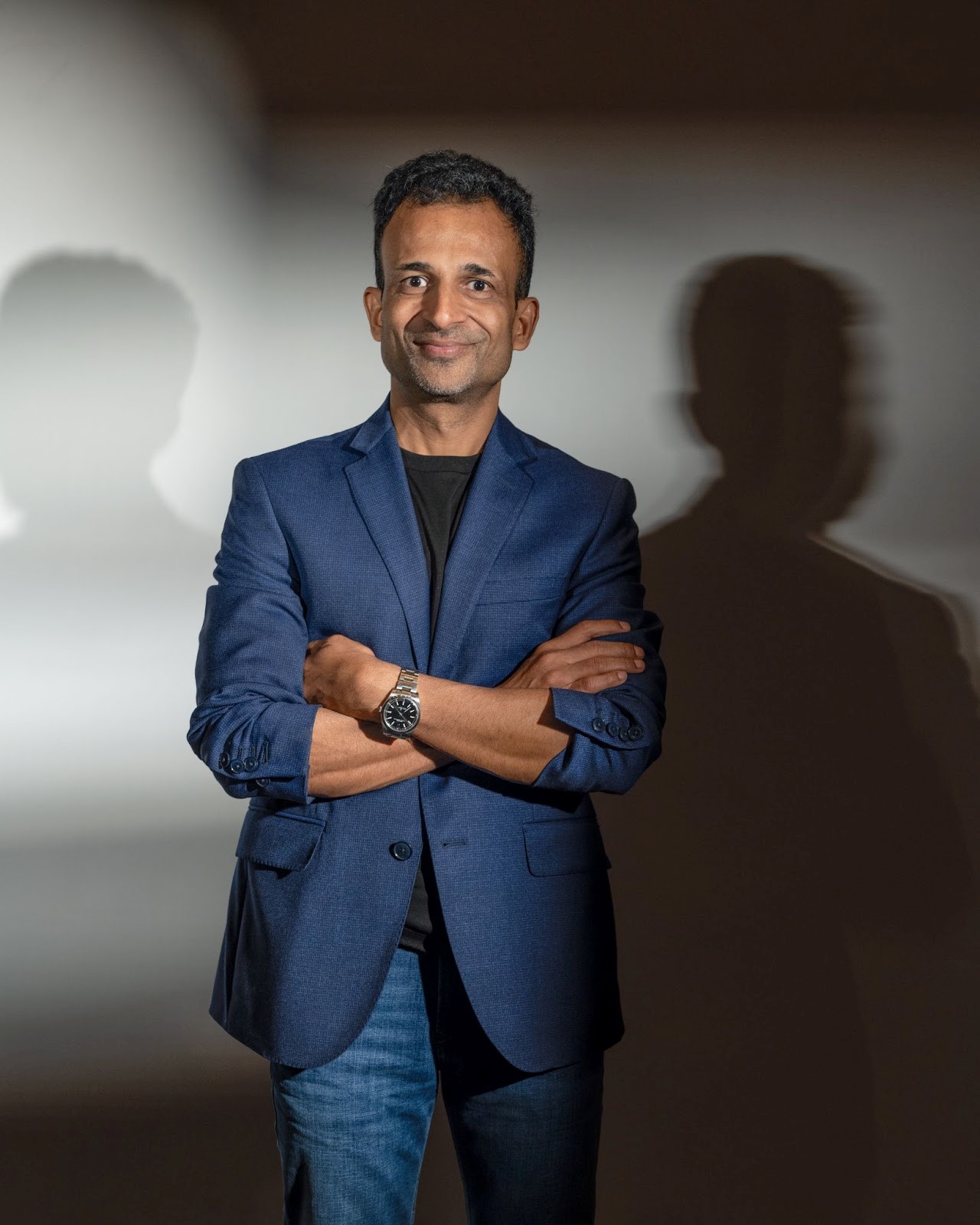
Sandeep LodhaManaging Director, Condé Nast India
Sandeep Lodha is the Managing Director of Condé Nast India. He oversees all aspects of Condé Nast business across all brands in the market.
Prior to this, Mr. Lodha served as the CEO of the music streaming app Gaana, where he re-established the company’s leadership in the industry by pivoting from a mostly free music streaming model to a paid-only model enabling a sustainable turnaround of business. During his leadership at Gaana, the company saw substantial user growth, as well as growth in user retention, engagement, and subscriptions.
He was the founder and CEO of Weddingz.in, India’s largest wedding company and a one-stop-shop for all wedding services, which was acquired by hospitality behemoth OYO.
His other roles have included Executive Director at the Walt Disney Company in India overseeing their consumer products division, Sr. Principal at global business consulting firm Bain & Company where he mostly focussed on consumer and technology clients around growth and strategy. Prior to this, he held senior engineering roles at both Riverstone Networks (now Alcatel Lucent) and Synopsys, Inc.
He holds an M.B.A in Finance from the Wharton School, the University of Pennsylvania, an M.S. degree in Computer Engineering from the University of Cincinnati, and a B.Tech. degree in Computer Science from the Indian Institute of Technology in New Delhi.
1. How has your approach to leadership evolved, especially as a media leader?
Media is far more diverse than many other industries — in perspectives, people, and pace. Over time, I’ve realized that leading effectively in this space requires a heightened sense of empathy, inclusivity, and openness. It has taught me to listen more, adapt faster, and create environments where diverse voices feel heard and valued.
2. How do you balance authenticity with the performative aspects of leadership,
especially in a brand-driven business like Condé Nast?
It’s definitely a challenging balance. At Condé Nast, our strength lies in staying true to who we are — our brands have endured for over a century because of their unwavering authenticity. As leaders, we’re responsible for upholding that legacy. It’s about showing up consistently, staying grounded in our values, and building trust by being real — not just visible.
3. In your view, how has the traditional image of a CEO changed over the last decade?
Today’s CEOs need to be far more attuned to people’s needs than ever before. While delivering revenue and profit remains essential, the role now demands greater sensitivity — to employees, communities, and the broader ecosystem. It’s no longer just about business outcomes; it’s about leading with empathy, responsibility, and a deeper sense of purpose.
4. What is your philosophy when it comes to communicating during a crisis, especially in a content-sensitive industry?
When I was in tech and consulting, communication during a crisis was often direct and fact-driven. But in a content-sensitive media industry, it’s not just about what you communicate — how you communicate matters just as much. The choice of words and tonality plays a critical role.
During a crisis, it’s also crucial to communicate more frequently — not less. Gaps in communication can lead to confusion or mistrust. Consistent, empathetic, and clear messaging is key to maintaining confidence and alignment, both internally and externally.
5. How do you use personal branding to influence corporate strategy and stakeholder trust?
If I expect the organization to embody certain values or principles, it’s essential that I model them myself. Role-model behavior is key. Personal branding, to me, is about alignment — if I’ve said something is important, then I need to prioritize and act on it visibly. Authenticity and consistency in leadership not only shape company culture but also build lasting trust with stakeholders.
6. What do you see as the defining leadership traits of millennial executives entering the C-suite?
Of course, any leader must focus on creating value for the company — that’s a given. But for millennial executives, how that value is created matters just as much. They need to care deeply about people, the planet, and a sense of purpose. They must be attuned to working with truly diverse teams and actively embrace a wide range of perspectives.
Listening closely — not just to stakeholders but also to fast-evolving consumer trends — is essential. In today’s dynamic landscape, adaptability, empathy, and cultural awareness aren’t just strengths; they define modern leadership.
7. As a leader, how do you groom millennial talent for leadership?
It’s about striking the right balance. I focus on helping them understand how to deliver real value to the business while also staying mindful of purpose, people, and impact. Millennials are naturally curious and adaptable, which are great leadership traits. My role is to channel that curiosity, guide them in decision-making, and create an environment where they can learn, experiment, and grow into thoughtful, well-rounded leaders.
8. How does Condé Nast prepare for leadership transitions in an era where work culture, media, and technology are evolving so rapidly?
At Condé Nast, we believe the leaders of tomorrow must be curious, adaptable, and deeply in tune with the world around them. We’ve thrived for over a century because we’ve embraced change, staying close to our audiences and evolving with their needs.
We focus on developing leaders who aren’t rigid or fixed in their thinking, but who are constantly learning, listening, and spotting cultural and consumer trends early. We train them to build agile teams, stay open to new ideas, and lead with both creativity and resilience — because that’s what it takes to lead in a fast-changing world.
9. What advice would you give to a millennial executive eyeing the corner office in 2040?
Care deeply for your teams. Leadership isn’t just about strategy and results — it’s also about people. The leaders who will thrive in 2040 will be those who lead with empathy, build trust, and create environments where others can do their best work. Never lose sight of the human side of leadership.
10. What challenges do you think millennial leaders will face that Gen X or Boomers never had to?
Millennial leaders are expected to deliver results and care deeply — about their teams, social impact, mental health, the planet, and more. Balancing performance with empathy is a tough but essential shift. Unlike previous generations, they’re leading in an era where purpose, transparency, and emotional intelligence are non-negotiable, making leadership both more meaningful and more demanding.
11. How has your own approach to hiring leadership talent evolved in the last five years?
Over the past few years, my approach has shifted from purely focusing on experience to prioritizing mindset. I now look for leaders who genuinely care — about people, the mission, and the impact they create. Agility is equally important. In today’s world, the ability to pivot, adapt, and lead through uncertainty is more valuable than ever. Skills can be taught; empathy and adaptability are harder to train.
12. What non-negotiable qualities do you look for in leaders today that may not have been a priority a decade ago?
Today, a leader’s ability to be truly open to diverse points of view is essential. They need to work effectively with people from different generations, backgrounds, and perspectives. Emotional intelligence and sensitivity have become non-negotiable — leaders must connect on a human level, fostering inclusion and understanding in ways that weren’t as prioritized a decade ago.
13. With millennials entering the C-suite, how is Condé Nast preparing for succession planning and future-ready leadership pipelines?
Our approach aligns with best practices across industries: we identify high-potential leaders early, invest in their growth through coaching and mentorship, and provide them with diverse opportunities to learn and lead. We focus on building agility, strategic thinking, and emotional intelligence to ensure our leadership pipeline is ready to navigate the future’s complexities.
14. How do you see the role of executive search partners evolving as leadership itself transforms, especially in fast-paced consumer sectors like media, fashion, and lifestyle?
We’ve had detailed discussions about what we’re looking for in leaders. The key is having search partners who truly understand our evolving needs and culture. Only then can they help us identify candidates who not only have the right skills but also fit our values and can thrive in a fast-changing environment.