
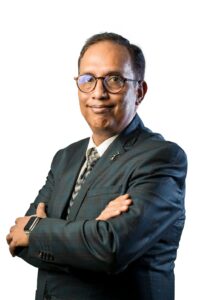
Vishal SinghCHRO - BPTP Ltd.
1. In your view, how critical is the role of executive leadership in shaping and sustaining organizational culture, particularly within the dynamic environment of real estate?
Well in the real estate industry, your CXO’s must be razor sharp. We don’t play by the rules of age and experience. We play with them who delivers for our customers. At BPTP we have executive leadership ranging in age bracket from early 40’s to 60’s. They have been assigned those roles based on calibre and performance. For anyone who is part of executive leadership, must be a visionary who knows ground reality, customer obsessed, ethical, resilient, and ready to adapt tech and masters of implementation.
Our forward-thinking leaders focus on building teams that think like entrepreneurs, not just employees. Creating an entrepreneurial mind-set isn’t about asking everyone to launch a start-up. It’s about instilling a culture of initiative, accountability, and curiosity – qualities that power growth from the inside out.
At BPTP we prefer to work as teams rather than in silos, we work and solve problems for the whole business. Leaders foster this by creating cross-functional teams and encouraging holistic thinking. Eg: Sales, CRM, and delivery teams brainstorm together to fix broken experiences.
We have an initiative called C – Square (Collaborate & Communicate). Through this we encourage our leaders to continuously share work related updates, progress and achievements with us so that same can be communicated across BPTP. When employees are kept informed about developments, changes and decisions, it builds trust and reduces uncertainty. This also keeps employees engaged and connected to organizations goals and objectives. When employees understand what is happening and why, they are more likely to feel involved and invested in their work.
2. Real estate is traditionally seen as a sector where relationships, trust, and agility are paramount. How does leadership influence these cultural pillars across a fast-paced organization like BPTP?
In real estate, TRUST plays a pivotal role. Building relationships and agility are a byproduct of building trust. Let me tell you how we do this at BPTP:
- High-Value Decisions: For majority of our clients investing in BPTP projects is often making life-changing decision — buying a home, leasing commercial space, or funding development projects. Our Sales team is known for trust building and delivering as per commitment.
- Long Sales Cycles: Real estate deals can take months (or years). During that time, consistency, transparency, and follow-through are crucial to building and maintaining client confidence. Our CRM is continuously upgrading their process for this.
- Reputation-Driven Market: Much of the business comes from referrals, reviews, and word-of-mouth. A reputation for honesty and reliability is a competitive advantage.
- Diligent and tech driven CRM: Clients rely on our CRM team to navigate legal documents, payments, project updates – missteps or miscommunication can be costly, so trust is essential here as well. We use advanced tools like SALESFORCE to provide timely and accurate support to our customers.
- Repeat Business & Retention: Investors and buyers return to professionals they trust. We are working towards building customer retention and referrals through several initiatives we have launched in recent past, and our target is to ensure that referral bookings increase from current levels to about 25 %. We don’t see our customers as transactional partners. In fact, we at BPTP believe that Long-term relationships are built not just on deals closed, but on promises kept.
3. From an HR lens, what are some unique cultural challenges or opportunities you see in the real estate sector compared to other industries you have worked in?
The cultural fabric of a real estate organization doesn’t just shape internal dynamics; it influences how the brand is perceived, how talent is retained, and ultimately, how sustainably the business grows. And in India, this comes with unique challenges.
- The Weight of Hierarchy
Indian real estate companies often operate within deeply entrenched hierarchical structures. While this can streamline authority, it can also stifle innovation and discourage younger employees from speaking up. For example, a junior sales executive may have valuable feedback about buyer sentiment from the ground, but in a culture where “senior knows best,” that insight rarely travels upward.
What BPTP is doing: We are a progressive developer and that’s applicable to our projects and people both. We are adopting flatter structures, promoting open forums, and encouraging mentoring and buddy programs to break silos.
- Change Aversion in a Rapidly Evolving Market
As the sector evolves with digital platforms, CRM tools, and virtual walkthroughs, many mid-level and legacy professionals struggle to adapt. A regional project head might resist adopting a centralized digital platform, preferring manual methods out of habit or mistrust of tech.
Result? Slower decision-making, fragmented data, and lost competitive edge.
What BPTP is doing: Culture change initiatives blended with training and incentives, rewarding adaptability, not just output.
- Ethical Inconsistency and the Trust Deficit
A single unethical incident, misleading a buyer or delaying possession, can tarnish years of goodwill. In a market with many unregulated or informal players, companies that prioritize ethics often struggle to stand out or compete on price.
What BPTP is doing: We are trying to embed process & integrity into culture, from transparent pricing policies to celebrating whistle-blowers.
- The People Problem: Retaining Talent
High attrition, especially among sales teams, reflects more than just external competition, it speaks to cultural gaps. Many young professionals leave due to a lack of development opportunities, unstructured feedback, or misaligned leadership expectations.
What BPTP is doing: We have invested in structured learning management system, and capability enhancement program named as Build People To Perform (BPTP). Now when we have L&D vertical in place, we look forward to more skill and career development interventions for our employees.
- Customer Experience: Beyond Transactions
Traditionally, the industry operated on a “deal-closed-move-on” model. Today’s buyers, however, expect post-sale engagement, transparency, and service excellence. A transactional culture clashes with this shift. A customer-facing team that isn’t trained or empowered to problem-solve post-sale issues reflects poorly on the brand.
What BPTP is doing: We are redefining roles to include relationship management, not just sales.
The Way Forward: Culture is no longer a soft metric, it’s a strategic differentiator. Real estate leaders who invest in shaping an agile, ethical, and people-first culture will not only retain top talent and gain buyer trust, they’ll future-proof their organizations. The question is no longer “Should we focus on culture?” but “Can we afford not to?”
4. What strategies have you found most effective in embedding organizational values deeply into teams, especially when scaling operations or integrating new talent in a real estate context?
In every high-growth organization, there comes a pivotal moment where culture and values can either guide the future or get lost in the rush. In my tenure till now I have seen it all. At BPTP, I would say that we’re in that defining phase. We do have official BPTP values, but our core values are primarily unwritten, passed through stories, habits, and leadership behaviour. But as the team is growing, especially beyond the founding circle, these informal cues start to falter. Now when our business is expanding, teams are multiplying, and new markets are opening up. But with every new hire and every ambitious target, we face a critical question:
How do we ensure our core values don’t get diluted as we scale?
We’re experimenting with simple yet powerful habits:
- “Shout-outs” during town halls that highlight value-led behaviours
- Weekly team reflections on how a key decision aligned with our values
- Training managers to coach not just for results, but for how those results are achieved
- We’re still early in this journey. Mistakes are being made. But every challenge is a chance to reinforce who we are and what we stand for.
- Because in a world where products can be copied and growth is fleeting, our culture is the one thing competitors can’t replicate.
- We’re not perfect. But we’re intentional. And in the long run, that may be our biggest competitive advantage.
5. How do you see the expectations around workplace culture evolving for real estate firms over the next few years, and what role will HR leadership need to play to stay ahead?
For decades, the real estate industry has been rooted in brick-and-mortar thinking – build, sell, repeat. The focus was clear: square footage, location, possession timelines, and margins. But as markets evolve and consumer expectations rise, a silent transformation is underway.
Real estate firms are no longer just builders; they’re becoming service providers. And this shift is reshaping organizational culture from the ground up. From Product Centric to Customer-Centric.
Traditionally, success was measured in units sold or floors constructed. But today’s homebuyers, tenants, and investors demand more:
- Transparent communication
- Post-sale support
- Customization and personalization
- Seamless digital experiences
In capacity of CHRO I have asked my team to hire and develop people for BPTP where each employee should think like service brands, where customer satisfaction is not the end goal, but an ongoing commitment. Through learning & development programs we are trying to provide them comparative experiences to create a differentiating brand of BPTP in real estate sector.
For eg. we are also learning from Firms like Lodha and Godrej Properties who are investing heavily in customer experience teams, CRM tools, and post-possession service desks reflecting a shift from sales to service culture.
6. Lastly, could you share one or two leadership practices you personally prioritize to ensure a resilient, people-first culture at the executive level?
At the executive level, leadership isn’t just about driving performance—it’s about sustaining culture, growing people, and creating meaningful impact. Here are three core practices I prioritize:
- Building Strong Relationships with C-Suite and Senior Leadership
I believe that alignment at the top fuels clarity and purpose throughout the
organization. By investing time in authentic relationships with other senior leaders, we stay coordinated on culture, strategy, and communication—ensuring consistency from boardroom to team room. - Mentoring and Coaching Peers
Growth doesn’t stop at the top. I actively engage in peer mentoring to foster a culture of mutual learning and support. These conversations often unlock new perspectives, challenge assumptions, and create a safe space for vulnerability and growth. I have specially put a plan of C suite coaching in place to make it more organized and fruitful for them. - Championing People Development Across All Levels
I work with leaders to embed people development into core of our strategy, so teams aren’t just meeting targets, they’re growing with purpose of BPTP 2.0. We prioritize continuous learning, career mobility, and purposeful work to keep our people engaged and future ready. Resilience isn’t built during calm; it’s shaped by how we lead during complexity. And I believe resilient cultures start with leaders who choose people first